Exploring the Importance and Challenges of Waste Management in Construction
The construction industry plays a crucial role in shaping our built environment. However, it also contributes significantly to waste generation. Proper handling of construction waste is essential for environmental preservation and compliance with regulations. Understanding these regulations can help businesses avoid penalties and contribute positively to sustainable development. This guide aims to explore various aspects of construction waste management, providing actionable insights into compliance and best practices.
Significance of Construction Waste Regulations
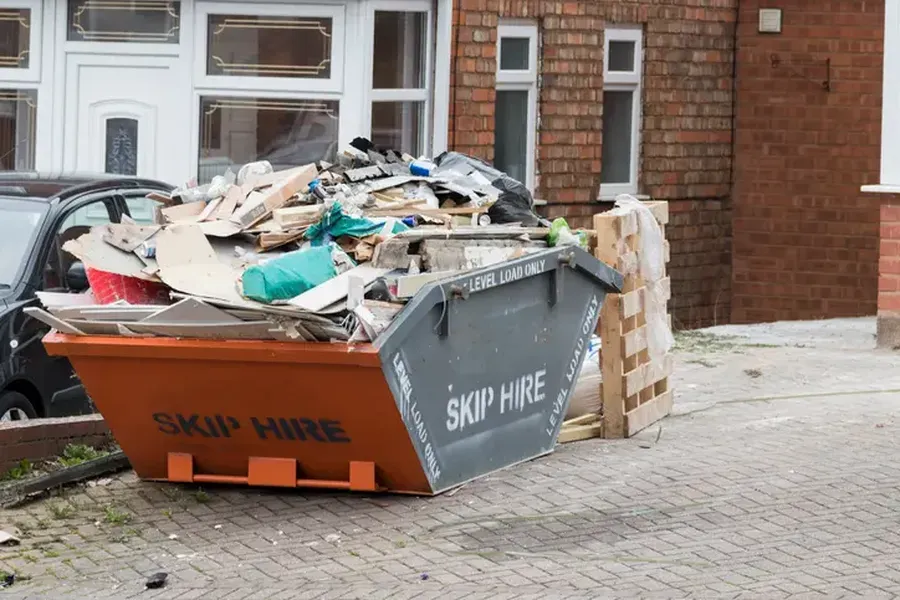
Regulations governing construction waste are vital for minimizing environmental impact. They set standards for waste disposal, recycling, and reuse, ensuring that waste is managed sustainably. Compliance with these regulations not only helps in preserving natural resources but also reduces landfill usage. For businesses, adhering to these rules can enhance their reputation as environmentally responsible entities.
Understanding Common Challenges
Handling construction debris effectively involves several challenges. Businesses often struggle with understanding complex regulations, which can vary by location. Additionally, finding efficient ways to segregate and recycle materials poses another hurdle. The lack of awareness about proper disposal methods may lead to increased costs and potential fines.
Strategies for Effective Construction Debris Removal
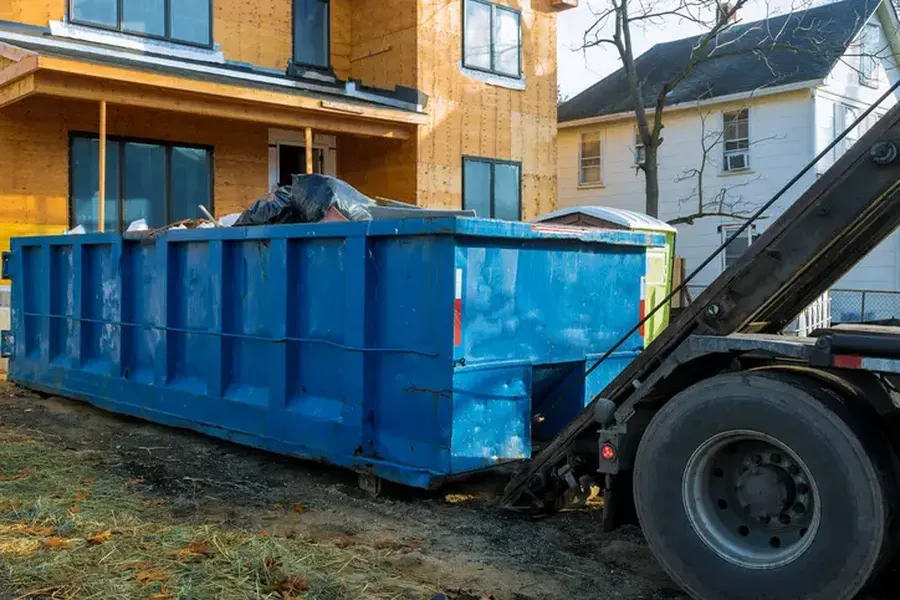
To successfully manage construction waste, businesses should implement robust strategies. This includes hiring specialized services for construction debris removal. These experts are well-versed in local regulations and can ensure proper disposal methods are followed. By outsourcing this task, companies can focus on their core activities while maintaining compliance.
Benefits of Professional Waste Management Services
Engaging professional services for managing construction waste offers numerous benefits:
- Ensures compliance with all applicable laws and regulations
- Reduces risk of legal issues associated with improper disposal
- Promotes efficient recycling and resource recovery
- Enhances company’s image as an eco-friendly business
Best Practices for Compliance
Adopting industry best practices can aid businesses in navigating waste management regulations efficiently:
- Conduct regular training sessions on regulatory updates for staff involved in waste management
- Implement a comprehensive waste management plan tailored to your project’s needs
- Collaborate with certified recycling facilities to maximize material recovery
- Document all waste disposal activities meticulously to ensure accountability
The Role of Technology in Waste Handling
Technology plays a transformative role in modernizing construction waste management processes. From digital platforms tracking real-time waste data to smart bins equipped with sensors for monitoring fill levels, innovations are improving efficiency and transparency in waste handling. Businesses embracing these technologies gain better control over their waste streams, leading to enhanced operational efficiency.
Cost Considerations in Waste Management
The cost associated with construction debris removal can be significant but investing wisely yields long-term savings. Costs may include transportation, processing fees at recycling centers, or penalties from non-compliance. However, employing effective recycling strategies lowers overall expenses by reducing the volume headed for landfills. Furthermore, many jurisdictions offer incentives for eco-friendly practices, offsetting some costs.
Your Path to Sustainable Waste Management Solutions
Your journey towards effective waste management begins today. Reach out to us at (720) 684-0206 for expert guidance tailored specifically to your needs. At Double A Junk Removal, we pride ourselves on delivering exceptional service across Aurora, CO. Let us assist you in achieving sustainability goals through our comprehensive solutions designed for lasting impact.